The Fujifilm X-Series was introduced in early 2012 with the Fujifilm X-Pro1.
I acquired an X-Pro1 sight unseen as it was announced, with the 35mm and the 18mm. My interest was the hybrid viewfinder that was first introduced on the X100 a few month prior. It offered a unique shooting experience with an overlay display onto the bright optical viewfinder, with the possibility to switch to an EVF. This also introduced the X-Trans sensor, a different concept supposed to offer a better image quality.
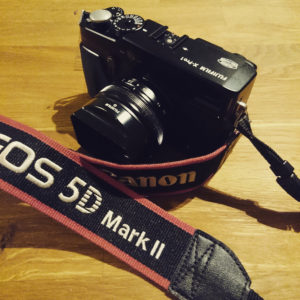
While the X-Pro1 has its quirks, in a time were a lot of mirrorless cameras came without viewfinders, it was enjoyable and refreshing to have the hybrid viewfinder. Not inexpensive, it was still reasonably priced, as were the high quality prime lenses that came with.
Building on this, Fujifilm expanded the product line releasing more cameras, with new form factors. First the X-E1, a less expensive version of the X-Pro1 with only an EVF, then later the X-T1, an SLR-styled body with a more recent version of the sensor and imaging processor, and it’s less expensive variant the X-T10. Things didn’t stop there. X-Trans remains at the core of the X-Series product line with some exceptions.
The guide will go through the following:
– Overview of the X-Series.
– X-Trans: what is the X-Trans sensor and what does offer?
– The Fujifilm X-T3, from 2018.
– The Fujifilm X-M5, from 2024.
– Film recipes explained.
– The X-mount lenses.
– Using adapted lenses, or how to use vintage glass for a vintage look.
This guide will be updated over time to take into account the new products.